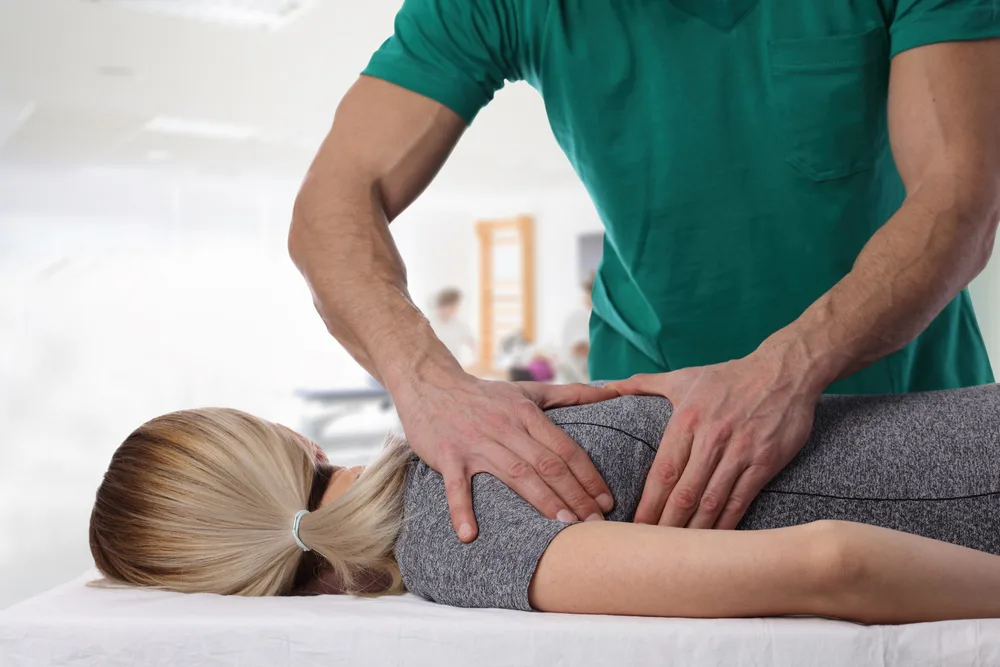
Physical therapy can be incredibly successful in relieving pain. At Boston University’s physical therapy centre, the clinic’s director puts the likelihood of success for rotator cuff tendonitis at 70% on the outcomes they measure. Taking part in manual physical therapy in New York can yield impressive results as well.
What is manual therapy? When can you benefit from this and other physical therapy methods? In this guide, we break down the vital role of this technique when it comes to treating musculoskeletal conditions.
Understanding How This Process Works
Physical therapy remains a prominent form of healthcare. According to a YouGov survey, 51% of Americans reported receiving this treatment. Within the 55 and up demographic, that number increases to 60%.
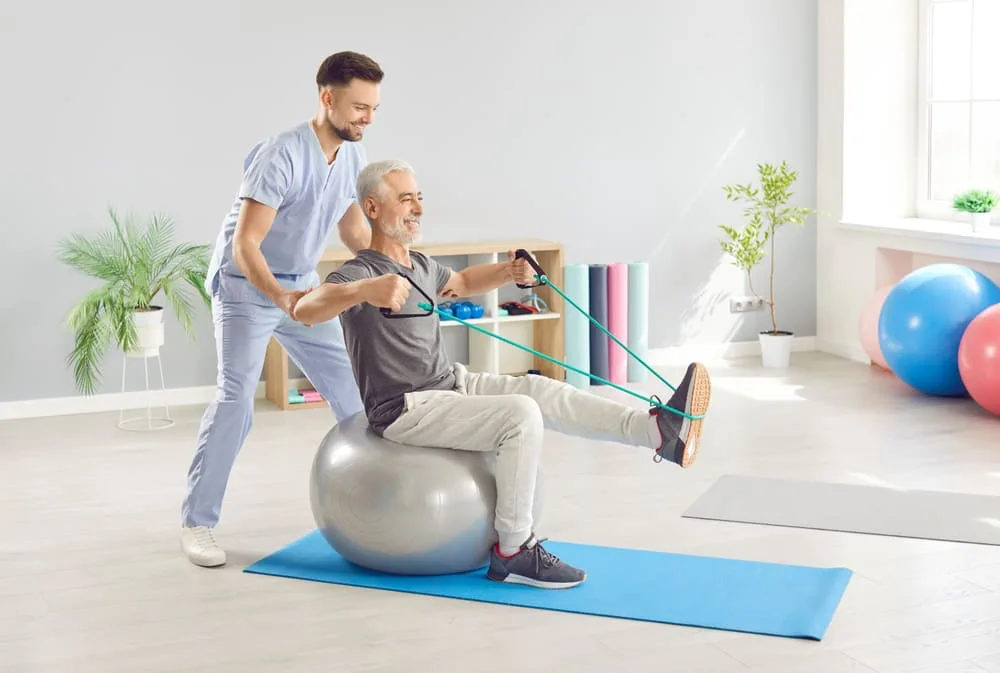
Standard treatment often involves patients performing stretches or gentle exercises with the help of a trained professional. The main point of these exercises is to regain strength and flexibility following an injury. For a more hands-on approach, though, experts can resort to manual therapy.
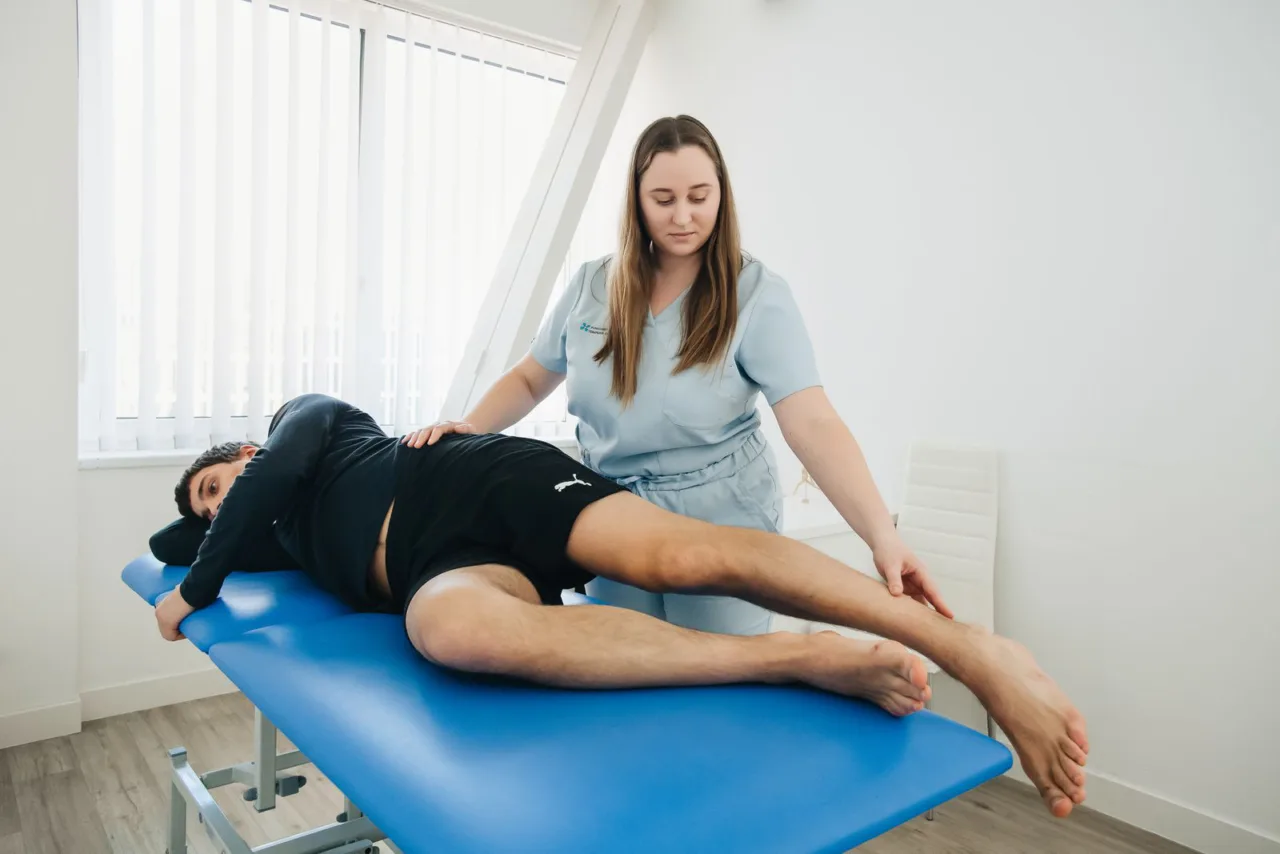
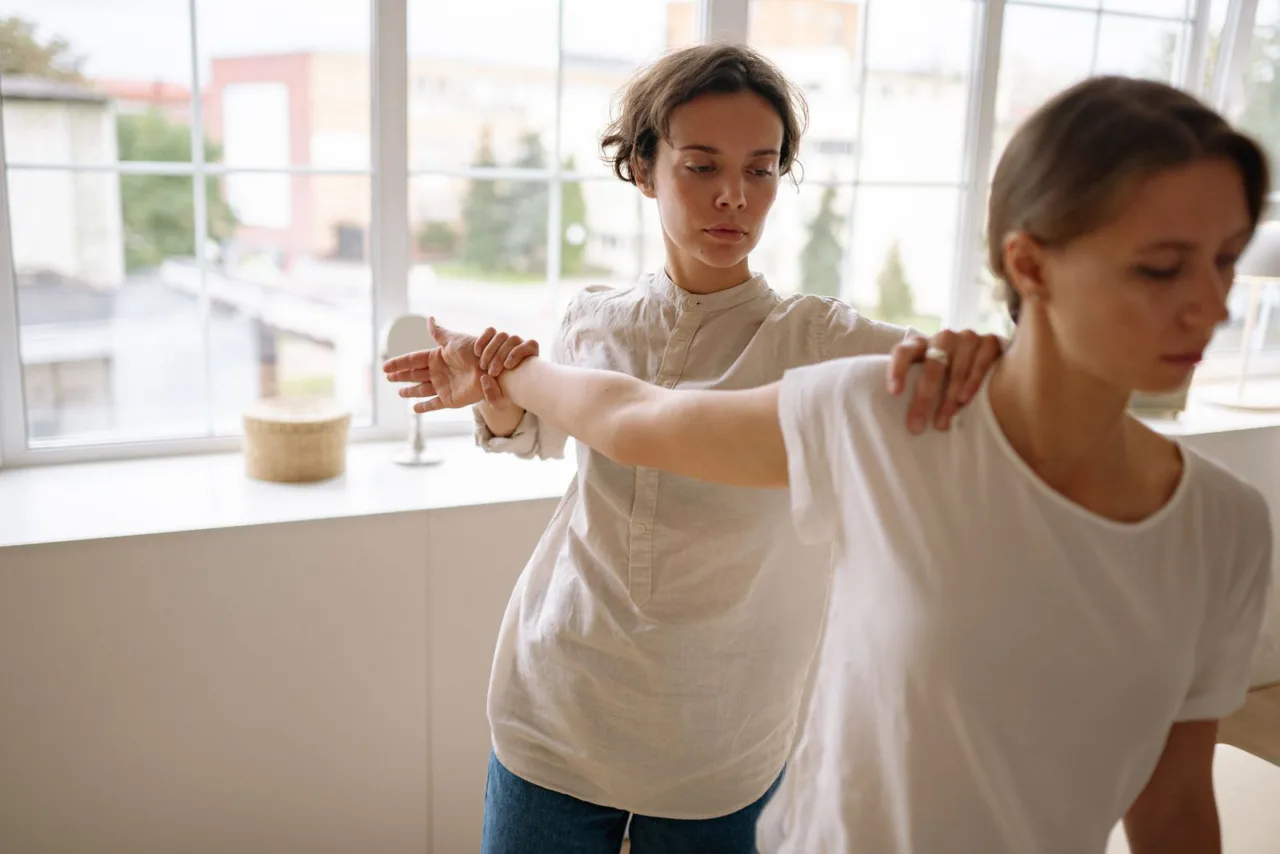
Manual treatment involves the physical therapist manipulating tense muscles. They’ll often apply gentle pressure on the impacted area to relieve pain as well as restore function and mobility. This practice can aid each session so the patient can perform the necessary stretches.
Three Manual Therapy Techniques That Relieve Discomfort in Joints and Muscles
Depending on the scope of your injury, a professional may deploy different techniques to ease the pain. These methods target the stiff or achy muscles that prevent a full range of motion. Check out the distinct techniques below.
1. Myofascial Release
Healthcare professionals who utilize hands-on therapy will often use the myofascial release technique. This holistic approach aims to reduce tightness in the fascia, which is the connective tissue surrounding major muscle groups.
The Hospital for Special Surgery notes that a myofascial release works well for athletes who endure repetitive strain injuries, as well as people with fibromyalgia. However, it may not be suitable for patients with certain conditions, including:
- Advanced diabetes
- Osteoporosis
- Rheumatoid arthritis
- Healing fractures
2. Joint Manipulation
If you’re unable to move your joints without pain, exercises can become a huge struggle. Medical professionals may manipulate the impacted joint by applying pressure and using controlled movements. Joint manipulation is not only a key component of this type of care but also chiropractic adjustments.
3. Soft Tissue Mobilization
Your musculoskeletal system includes a system of soft tissue surrounding bones and muscle groups. Inflammation can lead to discomfort and swelling in these areas, along with restricted blood circulation. Experts will mobilize the soft tissue by gently massaging select trigger points.
Why You Should Consider Receiving Manual Therapeutic Treatment
Hands-on care has its time and place, depending on your injury. If a medical professional does incorporate this type of treatment, you stand to gain several benefits.
1. Holistic Care
Many people turn to medications to treat injuries or various health conditions. According to the National Center for Health Statistics, 10.7% of American adults use at least one prescription pain medication over a 30-day period. These medications reduce inflammation and ease tense muscles but often have short-term results.
Practices like soft tissue mobilization and joint manipulation reduce the need for prescription medication. If you want to focus on holistic healthcare, ask about manual treatment options.
2. Increased Mobility
Medications can make you feel more comfortable, but they won’t do much for your range of motion. Hands-on care restores joint function so you can move your body freely and get back to the activities you love. This practice facilitates healing from several types of injuries, including:
- Shoulder joint strain
- Whiplash
- Knee injuries
- Sciatica
Once you increase your range of motion, you can focus on strengthening your joints and muscles with targeted exercises and stretches.
3. Injury Prevention
Say you experience frequent shoulder pain from throwing a baseball repeatedly. Failing to treat it and strengthen your shoulder joint can keep you away from competitive baseball. However, if you deploy the above practices, you’ll restore the joint and prevent the injury from reoccurring.
This doesn’t just pertain to athletes and those prone to repetitive motion injuries. For example, someone recovering from whiplash after a car accident can prevent injuring their neck and back due to a fall or other sudden movement.
4. Reduced Stress
This treatment reduces stress on your body’s major joints. Treating this pain directly makes recovering from an acute injury easier and lets you better manage chronic issues.
Musculoskeletal injuries and conditions take more than just a physical toll on your body. According to Mental Health America, people with chronic pain are four times more likely to experience mental health conditions like anxiety and depression. Alleviating this problem can provide mental clarity and a better outlook on life.
Treat Discomfort With Personalized Care in New York
Whether you want to relieve discomfort or reap the benefits of chiropractic treatment for poor posture, Quantum Physical Therapy & Chiropractic Care can help. We offer comprehensive services that focus on treating musculoskeletal conditions.
Contact us to schedule an appointment at one of our offices.
Frequently Asked Questions
Do you have additional questions about this topic? We can provide you with answers. Learn more about pain relief therapy below.
How Does Manual and Massage Therapy Differ?
The former aims to reduce pain and increase function in sore or injured joints. The latter focuses on helping patients relax.
Should You See a Chiropractor or Physical Therapist for This Care?
You can see a physical therapist for whole-body treatment and a chiropractor for joint manipulation of the neck and spine.
Can You Perform This Technique on Yourself?
Yes, it’s possible to perform manual therapy techniques on yourself, but only with the guidance of a trained professional.